| Work With Us |  |
Reflections and documentation about the environment, indigenous peoples, and sustainability of Bentara Papua's work in Papua.
More Than Just a Forest: Papua's Mangroves as a World Heritage Site
06 January 2026 - by Marsia A.R.Rumatray
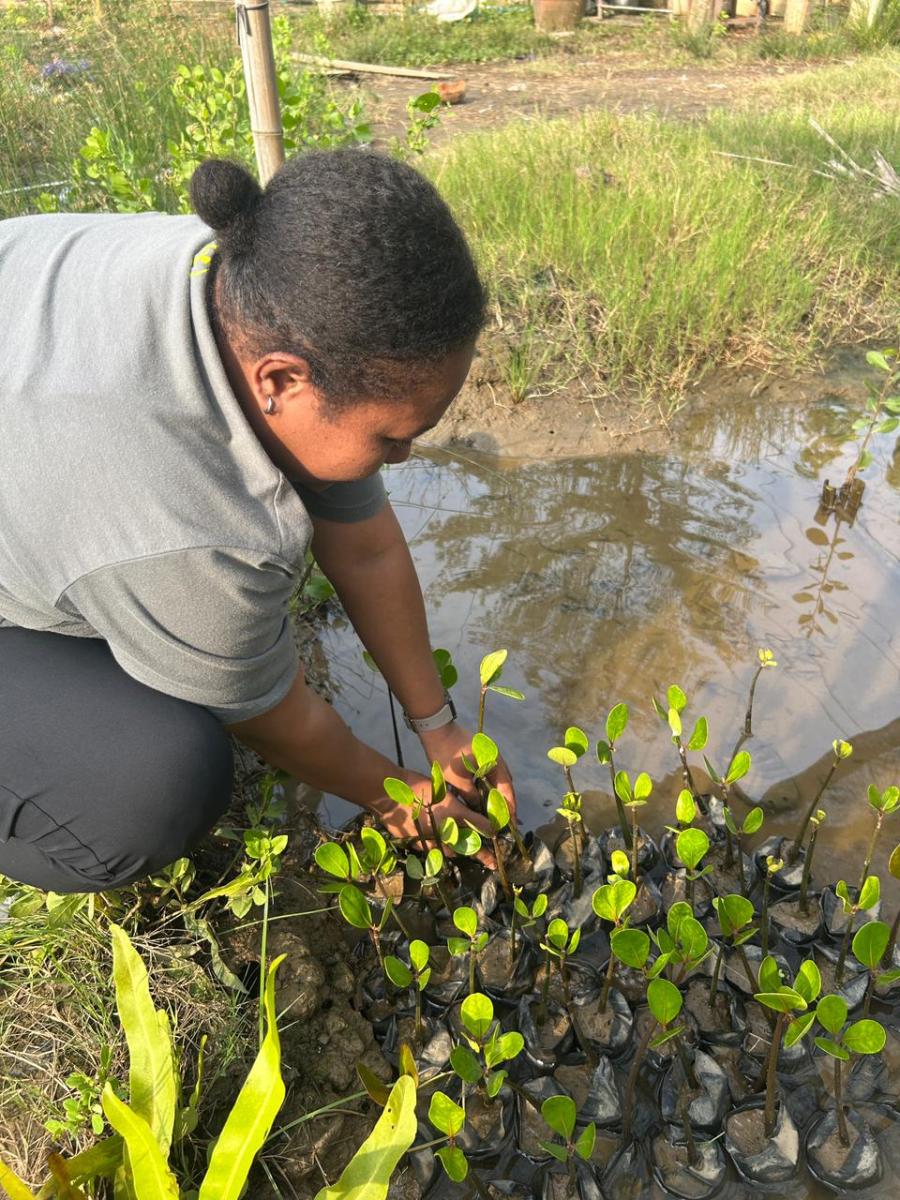
More Than a Forest: Papua’s Mangroves as a Global Living HeritagePapua is often called “A Little Paradise Fallen to Earth.” This image is commonly associated with majestic mountains and the iconic Birds of Paradise. Yet, another vital ecosystem is often overlooked the coastal zone where land meets the sea. Here, Papua’s mangrove forests grow quietly, firmly rooted in mud and saltwater, sustaining life. In Papua, mangroves are more than coastal vegetation. They represent identity, protection, food security, climate resilience, and an irreplaceable intergenerational heritage. A Natural Coastal BarrierMangroves possess complex root systems that bind coastal soil and reduce erosion. For coastal communities in Asmat, Mimika, and Raja Ampat, mangroves act as natural shields protecting settlements from waves and tidal surges. Their presence ensures safe living spaces and long-term coastal stability "the first tangible legacy of Papua’s mangroves." A Source of Food and LivelihoodMangrove ecosystems serve as natural food stores, providing crabs, shrimp, shellfish, and small fish. For Indigenous Papuan communities, mangroves are a traditional food security system passed down through generations. Protecting mangroves today ensures future generations can continue to rely on healthy coastal ecosystems for sustenance. Guardians of the Global ClimatePapua holds one of the largest and most intact mangrove areas in the world. Mangroves are among the most effective carbon sinks, storing significantly more carbon than many terrestrial forests. Protecting Papua’s mangroves contributes directly to global climate mitigation efforts by reducing emissions and stabilizing the Earth’s climate system. A Symbol of Resilience and AdaptationGrowing in harsh conditions salty water, low oxygen soils, and tidal changes mangroves survive through adaptation. This resilience reflects the values of Papuan communities who have long lived in harmony with nature. Preserving mangroves means preserving local wisdom and adaptive strength. Spiritual Ties to AncestorsFor many Indigenous Papuan communities, nature is regarded as mother. Mangrove forests are seen as life giving spaces, deeply connected to ancestral values. Damaging mangroves is considered a violation of cultural and spiritual bonds. Mangrove planting is therefore not only an environmental act, but also a cultural and spiritual commitment. Threats and Shared ResponsibilityLand conversion and unsustainable development pose serious threats to Papua’s mangroves. Every mangrove seedling planted is a declaration that this land belongs to the future, not just present interests. Safeguarding mangroves requires collective awareness and action. Planting Mangroves, Planting HopeA small mangrove seedling planted today will grow into a strong tree—supporting marine life, filtering air, and protecting coastlines. Papua is not only rich in visible natural resources; it is a guardian of the planet’s future through its mangrove ecosystems. "Bentara Papua calls on all stakeholders to protect Papua’s mangroves as Indonesia’s last coastal stronghold and a global ecological heritage." |
Other Publications
|
Dapatkan Informasi dan Update Terbaru dari Kami


